

The Psychology Behind Casino Game Design
The allure of casino games often lies deeply rooted in psychological principles that are meticulously applied during their design. Game developers utilize reward systems that trigger the brain’s pleasure centers, encouraging players to seek more of the thrilling experience, especially when they explore various betting sites that offer unique games. This psychological engagement often leads to a cycle of repeated play, as players chase the high of winning while the anticipation builds from the impending possibility of hitting a significant jackpot. The intricate balance between risk and reward creates a compelling experience that players find hard to resist, making them want to return time and time again.
A key element in this psychological design is the concept of variable rewards. Unlike traditional lotteries where the prize is fixed, casino games often offer unpredictable outcomes that keep players on the edge of their seats. This uncertainty can lead to increased adrenaline and a stronger desire to continue playing, as each round could potentially yield significant rewards. By embedding such mechanics, developers ensure that players remain fully engaged and motivated, fueling the addictive nature of the games. The anticipation of the next win can be intoxicating, driving players to continue their engagement.
Moreover, the design of casino environments plays a crucial role in fostering addiction. The layout of a casino, with its bright lights, captivating sounds, and lack of clocks, creates an immersive experience that encourages prolonged play. Players often lose track of time and their surroundings, leading to extended gaming sessions that are difficult to end. This carefully curated atmosphere encourages players to abandon their initial limits and dive deeper into the world of gambling. The sensory overload can create a euphoric state, making it challenging for players to step away from the experience.
The Role of Social Interaction in Gambling
Social dynamics significantly enhance the addictive nature of casino games. Many players are drawn to the social aspect of gambling, finding joy in the camaraderie shared with fellow players. This social interaction can create a sense of belonging, making the gambling experience feel more enjoyable and leading to longer sessions. The excitement that comes from cheering for a friend during a game or sharing the thrill of a big win can enhance the overall enjoyment and thus promote more frequent visits to casinos. Such interactions can transform the gaming experience into a communal activity rather than a solitary one.
Furthermore, many modern casinos have incorporated technology to boost social interaction among players. Features like multiplayer games and social media integration allow players to connect and compete with friends or strangers. The competitive nature of these interactions can be highly stimulating, reinforcing the desire to play more often. Players might find themselves drawn to the excitement of competing against friends or striving for personal bests, consequently increasing the time spent with these games. This social connectivity can amplify the thrill of the game and make every session feel like an event.

Additionally, promotional events and tournaments foster a community environment that can enhance player engagement. The opportunity to win prizes while participating in such events motivates players to return to the casino regularly, reinforcing habitual behavior. The blend of competition and socialization creates an engaging atmosphere that can amplify the addictive qualities of the games. Players are not just playing for themselves; they are also playing for recognition and to be part of a larger community, which can create a sense of obligation to participate more frequently.
The Allure of Winning
The chance to win big is perhaps the most palpable factor contributing to the addictive nature of casino games. Casinos often employ strategies to enhance the perceived likelihood of winning, making it appear more attainable. This perception can lead to a phenomenon known as the “near miss,” where players come close to winning but fall just short. Such experiences can lead to feelings of excitement and hope, prompting players to return in hopes of overcoming their past failures. The psychological impact of near misses can be profound, reinforcing the desire to keep playing as players believe they are close to success.
Moreover, the availability and visibility of large payouts serve to entice more players. Progressive jackpots, which grow over time until one lucky player hits it, create a tantalizing goal for attendees. The idea of being the next big winner becomes a driving force that can lead to addictive behavior, as players invest more time and money in the hopes of that life-changing moment. The dream of winning can override practical considerations, leading to reckless behavior and increased participation. This continual allure of potential wealth can easily overshadow the risks involved.
The interplay between reward anticipation and the fear of missing out (FOMO) also feeds into this cycle. Players who witness others winning are likely to experience a strong urge to attempt winning for themselves. This can lead to impulsive decision-making, where individuals bet more than they initially intended, driven by the exciting possibility of winning. The combination of hope, excitement, and social validation creates a powerful framework that fuels addiction and compels players to return for more, often disregarding previous limits.
Game Variety and Accessibility
Casino games come in a vast variety of formats and styles, catering to a wide array of player preferences and skill levels. From traditional table games like poker and blackjack to innovative slot machines featuring advanced graphics and themes, the diversity ensures that there is something for everyone. This vast selection not only attracts a broader audience but also allows individuals to explore different avenues of play, making it easy for them to find a game they quickly enjoy, thus increasing their likelihood of becoming regular players. The more options available, the more likely it is that players will find a niche that resonates with them.
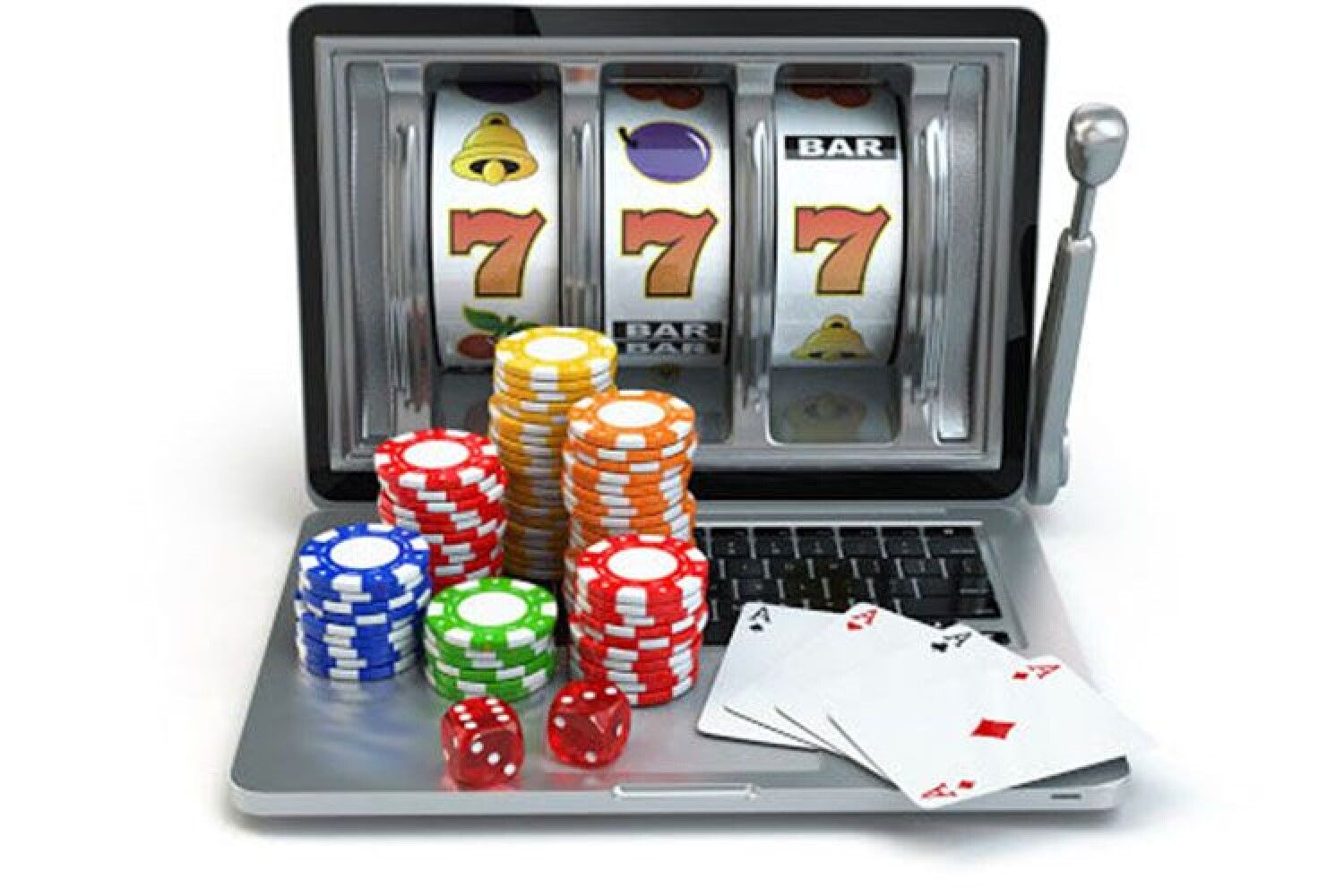
Moreover, the accessibility of casino games has expanded significantly with the advent of online gambling. Players can engage with their favorite games from the comfort of their homes or on-the-go via mobile devices. This convenience minimizes barriers to entry and makes it easier for players to indulge in their gaming habits without the constraints of geographical limitations. The ease of access can contribute to longer gaming sessions, heightening the addictive quality as players can enjoy games at any hour. This omnipresence of gaming options can subtly encourage more frequent play.
The gamification elements often present in online casinos also contribute to the addictive nature of these games. Players are frequently rewarded with bonuses, free spins, and other incentives that encourage continued play. These elements create an engaging loop where players feel rewarded for their loyalty, prompting them to return for more. As such, the combination of variety and accessibility plays a substantial role in maintaining player interest and fostering long-term engagement. The constant introduction of new games and features keeps the experience fresh and exciting, further enhancing the appeal.
Exploring Responsible Gaming Habits
While understanding the components that make casino games addictive is essential, it is equally important to emphasize the need for responsible gaming. Awareness of the psychological triggers within casino environments can empower players to establish boundaries. By recognizing the inherent risks and understanding one’s own limits, individuals can enjoy gaming experiences without succumbing to addiction. Implementing self-imposed restrictions, such as time limits and budget boundaries, helps mitigate the risks associated with excessive gambling. Knowledge and self-awareness are critical in maintaining a healthy relationship with gaming.
Moreover, many casinos are taking measures to promote responsible gaming by offering resources and support to players. These initiatives can include self-exclusion programs, access to counseling, and educational materials on the nature of gambling addiction. Such resources aim to foster a healthier gaming environment, encouraging individuals to play responsibly and make informed choices about their gaming habits. By promoting these practices, the industry can help ensure that the thrill of gaming does not come at the cost of personal well-being.
The online gambling industry has also embraced responsible gaming practices, providing players with transparency regarding odds, risks, and potential rewards. By fostering awareness and encouraging a balanced approach to gaming, casinos can help diminish the negative consequences of addiction while still providing enjoyable entertainment for those who choose to engage. As the dialogue around responsible gaming evolves, the focus shifts toward creating a safer environment for both current and potential players, allowing them to enjoy their gaming experience without adverse effects.