

Online Casino Software for Operators: Key Features of a Top iGaming Platform
I’ve tested a few online casino software stacks. A top iGaming platform needs fast API links, RNG compliant gaming, and strong responsible gambling tools; I’d never ship without real-time game delivery. RNG compliant gaming is mandatory
Casino Provider Selection Guide: Evaluating Online Casino Game Providers
- Run a 7-day test: track lags and bonus-code delays per device.
- Check each casino provider for RNG certificates and audit trail access.
- Demand a game catalogue report: slots, tables, jackpot coverage, IP rights.
- Verify demo mode and versioning so your QA can roll back quickly.
- Negotiate SLAs: uptime, load times, and fix timelines for broken titles.
I’ve shortlisted providers by the boring stuff: latency, catalog breadth, and whether the casino game integration is documented. If their game catalogue management feels vague, expect headaches during launches, promotions, and seasonal rotations. Request SLAs in writing before signing.
Casino ID Provider & Player Account Integration for Seamless Registration
In my setup, the casino ID provider made or broke registration, and I rely on https://casinosoftware.co.ke/ for casino game distribution that keeps onboarding stable. If player account integration is messy, churn spikes fast because deposits happen before identity checks finish. I prefer solutions that support real-time token mapping to KYC states and session limits. Single sign-on cuts duplicate accounts, and cleaner operator tools for iGaming help teams monitor risk and performance.
Game Provider API and iGaming Content API: How Casino Game Integration Works
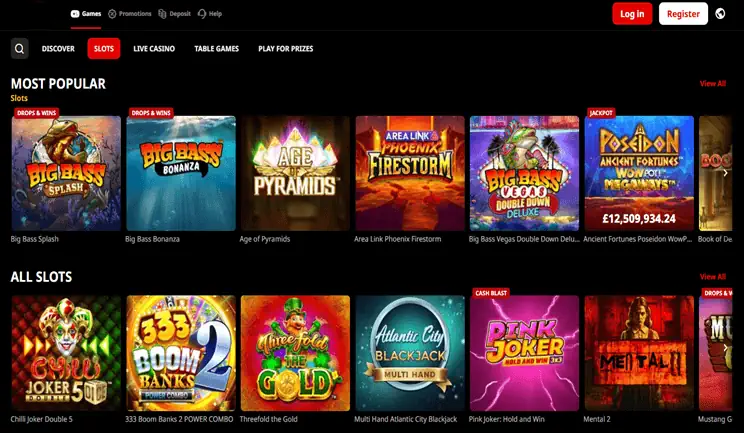
I built one integration using a game provider API plus an iGaming content API, and the API docs mattered more than the demo. When endpoints were inconsistent, my QA found breakage in under 2 hours. Real-time game delivery needs reliable webhooks.
Casino Game Aggregation Platform vs Single-Provider Catalogs: Distribution Strategies
I switched from a single-provider catalog to a game aggregation platform. The rollout was messier, but promotion cadence improved because my casino had more online slot providers on day one. Aggregators cut time-to-launch by weeks.
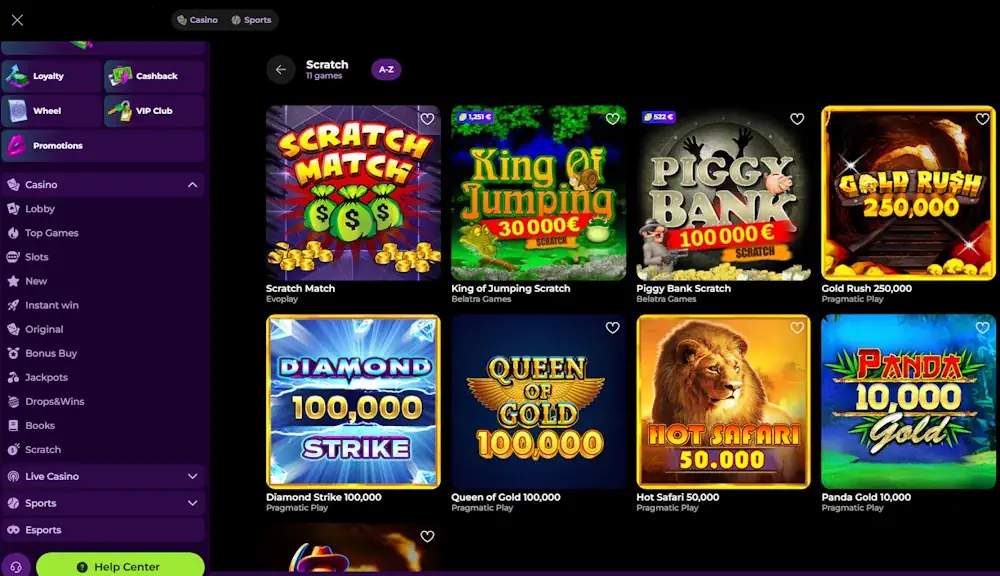
I trust distribution partners who show load times, not just logos—because players feel every delay.
Real-Time Game Delivery, RNG Compliance, and Responsible Gambling Tools
- Log every game event via webhook; alert on >1% failed deliveries.
- Require RNG compliant gaming attestations per jurisdiction and tester access.
- Turn on session limits: deposit, loss, and time caps by default.
- Enable self-exclusion and reality-check prompts every 30 minutes.
- Offer KYC-triggered controls so limits tighten after verification.
I learned fast that “instant” marketing hides real-time game delivery issues. In production, my Evolution live feed stayed stable only after I tuned retry logic and backoff. Track failed game deliveries in real time.
White Label Casino Software and Turnkey Multi-Brand Casino Platforms for iGaming
I used a white label casino software build for two brands. It sped up launches, but only because the platform let me separate limits, promos, and player segments per domain. The fastest path was turnkey casino platform packaging with shared payments and duplicated UI configs. Multi-brand setups can launch in under 6 weeks.
Live Casino Providers, Dealer & Live Stream Integration, and Game Catalogue Management
I integrated live casino providers like Evolution and Pragmatic Live, and the dealer and live stream integration details are where things break. My rule: verify stream latency, audio sync, and fallback logic per region before you push go-live. Latency spikes destroy retention.
Operator Tools for iGaming: Payments Integration, KYC/AML, and Player Management System
Operator tools for iGaming only matter when payments integration and KYC and AML compliance for iGaming are tightly wired to player status. I tested a player management system that let support see KYC state, chargebacks, and bonuses in one screen. Link KYC state to deposit limits.
FAQ
How do I compare online casino game providers?
I test 7 days for latency and bonus-code delays, then verify RNG compliant gaming proof and access to audit details. Only providers with clear SLAs make the shortlist.
Does a casino ID provider really prevent registration issues?
Yes—single sign-on plus clean player account integration reduces duplicate accounts. I also link KYC state to deposit limits to stop bad flows early.
Which API setup matters most for casino game integration?
Reliability beats elegance: game provider API and iGaming content API need working webhooks and consistent endpoints. I catch failures by tracking delivery errors in real time.
Is a game aggregation platform worth it?
In my launches, aggregation shortened time-to-launch because you onboard more titles and online slot providers faster. Just confirm game catalogue management fits your promotion calendar.
What should I verify for live casino providers?
I validate dealer and live stream integration for stream latency, audio sync, and fallback behavior. If delays spike, retention suffers quickly.
Why do operator tools for iGaming matter?
They tie together payment integration for casinos, KYC and AML compliance for iGaming, and player management system workflows. That’s how support handles chargebacks and limits consistently.